Your Down Payment Deserves More Than a Quick Reply You are almost at the finish…
Two Mortgage Quotes, Two Different Stories: How to Compare the Details

Look Beyond the Number That Catches Your Eye
You ask two lenders for mortgage quotes. One sends a polished worksheet with an appealing payment. The other sends a longer breakdown with more fees. Now you are wondering whether one is a better deal or simply better at making a spreadsheet look friendly.
Before you choose, slow the comparison down. A mortgage quote is only useful when you understand what it includes, what it assumes, and what could still change. At Innovative Mortgage Brokers, we want you to be able to explain the difference between your options without needing a finance dictionary.
Whether you are buying in Bucks, Montgomery, Philadelphia, Chester, or Delaware County, the same principle applies: compare the details behind the number. This guide also applies to buyers elsewhere in Pennsylvania and Florida.
Start by Making Sure You Are Comparing the Same Loan
Put the two proposals side by side and check the basics before looking for a winner. Are they based on the same purchase price, down payment, loan amount, and loan term? Is one a fixed-rate mortgage while the other has an adjustable rate? Does one assume a different property type or occupancy?
A change in any of those assumptions can make the comparison less useful. Ask each lender to explain its proposal using the same scenario. You are looking for an understandable comparison, not a contest between two unrelated sets of numbers.
Check the Date and the Rate-Lock Assumptions
Ask when each quote was prepared, whether the rate is locked, and what lock period the proposal assumes. A quote prepared at a different time may reflect different pricing. An unlocked quote is not the same as a confirmed rate lock.
Keep a short note beside each proposal recording those answers. Otherwise, you might spend an evening comparing figures that were never available on the same terms. That is a lot of calculator work for an unclear conclusion.
Separate Loan Pricing From Property Expenses
Your total housing cost can include principal and interest, property taxes, homeowners insurance, mortgage insurance when applicable, and association dues. Some expenses may be paid separately from your mortgage. Ask for the full picture so a payment that leaves something out does not appear more affordable than it really is.
Taxes and insurance deserve particular attention when comparing quotes. An estimate is not a promise that the eventual bill will match it. If two proposals use different assumptions for the same property, ask why and request a comparison using consistent information.
A Smaller Estimate Does Not Automatically Mean a Smaller Bill
Suppose one proposal includes a lower insurance estimate than the other. That alone does not demonstrate a savings created by the lender. Ask whether either figure comes from an actual insurance quote and what coverage it represents. The useful answer is the explanation behind the estimate.
For a home in an association, confirm whether dues are included in the housing-cost discussion even if they will be paid separately. You should not have to discover another recurring bill after deciding that the payment fits.
Ask What You Are Paying Upfront for the Rate
An interest rate and the upfront cost associated with it belong in the same conversation. Ask whether the proposal includes discount points, what those points cost, and whether there is an alternative with a different combination of upfront cost and interest rate.
Also ask about lender credits and the tradeoffs attached to them. A credit can affect the funds you need at closing, but it should be evaluated alongside the rest of the loan terms. The goal is to understand where the money comes from and what you receive in exchange.
Connect the Tradeoff to Your Plans
If an option involves paying more upfront for a lower payment, ask for the monthly difference and the time needed for that difference to recover the additional cost. Then consider how uncertain your plans might be. Moving or refinancing sooner than expected can change how you feel about that upfront expense.
Nobody can guarantee your future timeline or future mortgage pricing. A useful comparison makes the assumptions visible so you can decide how much weight to place on them.
A Hypothetical Example: The Quote With the Smaller Payment
Imagine a buyer comparing two proposals for the same house. Proposal A shows a smaller monthly payment. Proposal B requires less money upfront. The buyer initially prefers A because the payment is the first number that stands out.
After asking questions, the buyer learns that A includes an upfront charge for the rate, while the proposals also use different insurance estimates. The next step is to align the assumptions and separate the actual loan-pricing difference from the estimated property expenses.
This is an illustration, not a client story or a recommendation to choose either structure. Its purpose is simple: the smaller payment did not answer the whole question. The buyer needed to understand both the monthly cost and the cash required to get it.
Use This Checklist Before Choosing
- Confirm the same purchase price, down payment, loan amount, loan type, and term.
- Ask about the quote date, rate-lock status, and assumed lock period.
- Identify points, lender fees, and lender credits.
- Check the assumptions for taxes, insurance, and other property expenses.
- Compare estimated funds needed at closing alongside the monthly housing cost.
- Ask which figures are confirmed and which remain estimates.
- Make sure you understand who will answer questions as the transaction moves forward.
Get the Explanation in Plain English
A reasonable question deserves an understandable answer. Try asking, “If we use the same assumptions, what are the main differences between these options?” That invitation should lead to a clear discussion of costs, terms, and tradeoffs.
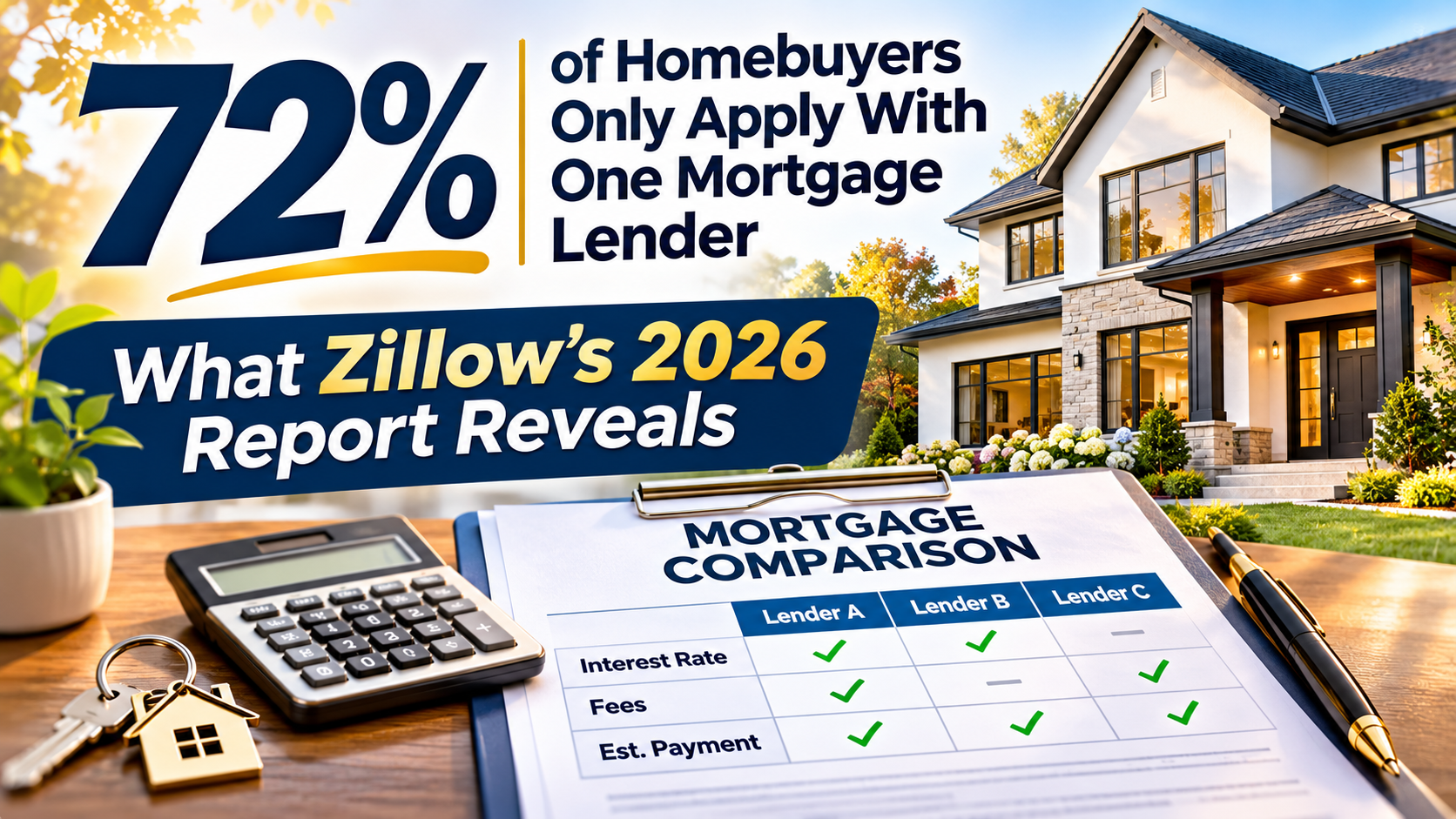
Keep your notes in one place. When proposals arrive in different formats, a simple comparison sheet can help you avoid bouncing between emails and forgetting which figure belongs to which option.
Make Your Mortgage Choice With a Clearer Picture
Competitive rates matter. So do upfront costs, the structure of the loan, your cash position after closing, and communication throughout the process. Decide which combination supports your priorities once you understand the differences.
At Innovative Mortgage Brokers, we help buyers connect financing options to their goals. Explore our home purchase mortgage process and closing-cost comparison resource, or schedule a conversation about your options. Bring your questions and the proposals you are comparing. You should leave the conversation with a clearer understanding of what to look at next.

Related Posts